FAQ
Helpful answers from the Orbit Elements knowledge base, adapted for artists, labels, creators, and music teams preparing releases.
Browse the most useful topics before requesting access. For account-specific questions, rights checks, takedowns, or technical support, contact the Orbit Elements team.
Guidance across streaming, download, recognition, video, and social music platforms.
 Spotify
 Apple Music
 YouTube Music
 Amazon Music
 Deezer
 Tidal
 Beatport
 Shazam
 TikTok
 Instagram
 Facebook
 SoundCloud
Tips for your next release
Practical guidance for preparing, protecting, and promoting music before and after release day.
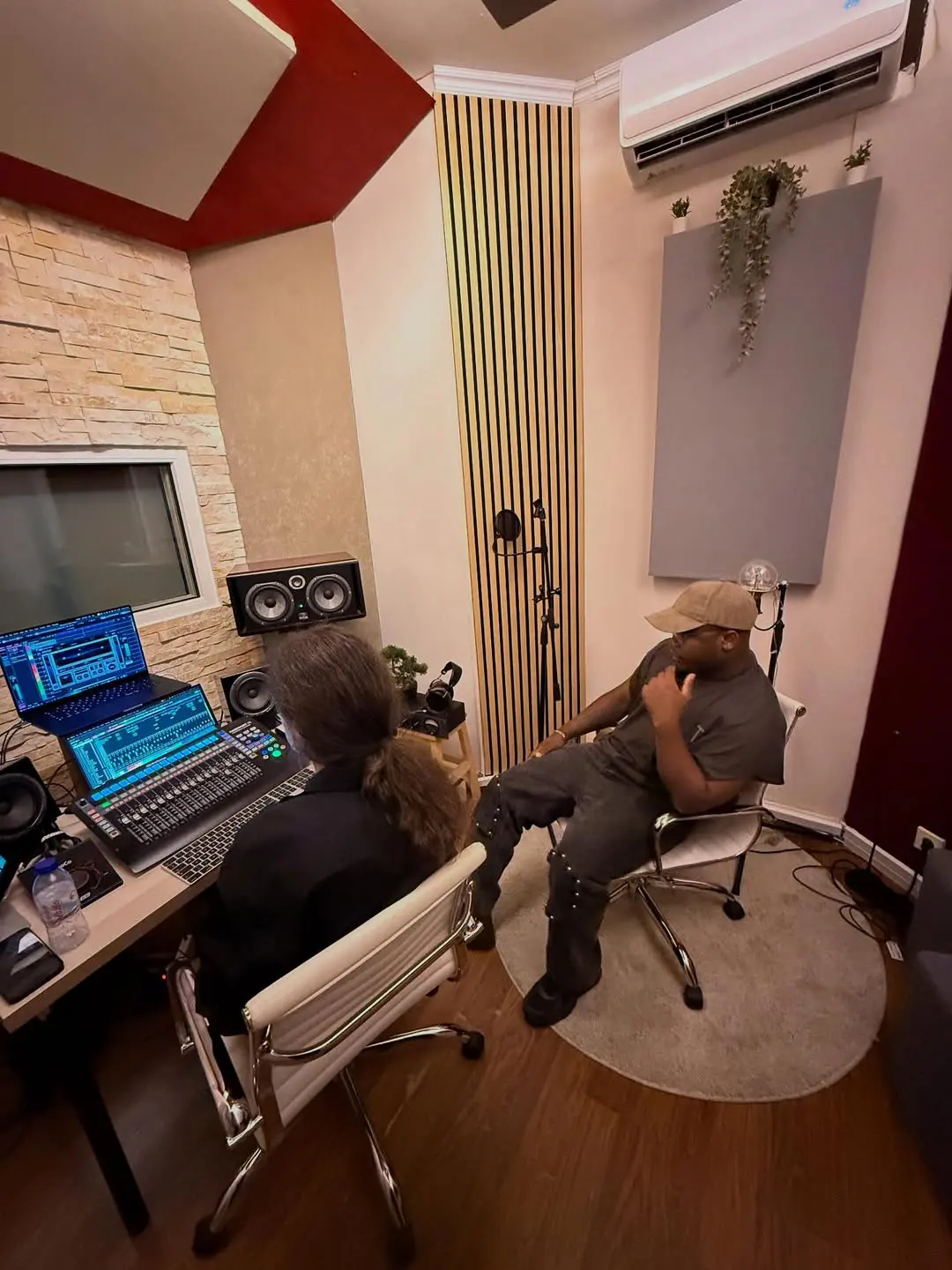
Prepare clean audio, artwork, metadata, credits, and rights documents before delivery.
Read guide
Build a clear schedule for pitching, promotion, release day, and the weeks that follow.
Read guide
Use playlists to communicate your taste, context, influences, and musical community.
Read guide
Turn one release into several authentic moments for TikTok, Reels, Shorts, and other channels.
Read guide
Keep artist IDs, team access, and catalog information accurate across platforms.
Read guide
Protect music, revenue, files, and personal data with a few disciplined habits.
Read guide
Give quality control, DSP review, pitching, and your campaign enough time to work.
Read guide
Tell a short, specific story supported by real campaign activity and audience context.
Read guide
Accurate names, credits, codes, rights, and profile links help music get found and paid correctly.
Read guide
Protect your catalog by avoiding bots, stream farms, and guaranteed playlist schemes.
Read guide
DSP activity, statements, deductions, and payments arrive on different schedules.
Read guide
Use audience signals to decide where the next campaign effort should go.
Read guideBasics
What is a Digital Service Provider (DSP)?
A DSP is an online music store or streaming service where listeners can access music, such as Spotify, Apple Music, YouTube Music, Amazon Music, Deezer, Tidal, Beatport, TikTok, Instagram, SoundCloud, and similar partners.
What are mechanical royalties?
Mechanical royalties are royalties generated by the reproduction of copyrighted musical works in digital or physical formats. Songwriters and publishers may earn them when a song is downloaded, streamed, reproduced, or otherwise mechanically used according to local rules and platform reporting.
What is the difference between composition and master recording?
A song normally has two rights layers: the composition, which covers the songwriting and publishing side, and the master recording, which covers the specific recorded version. Distribution mainly delivers and monetizes masters, while publishing administration handles composition rights.
What are UPC and ISRC codes?
A UPC or EAN identifies a release, while an ISRC identifies each individual recording. These codes help DSPs, reporting systems, royalty tools, and rights databases track music accurately across stores and territories.
Release Requirements
What cover art is required?
Cover art should be square, high quality, correctly aligned, and free from pixelation or mismatched visuals. A safe standard is 3000 x 3000 px in JPG, PNG, or TIFF, RGB color mode, with no store logos, website addresses, misleading references, or unrelated promotional text.
What audio master format should I prepare?
Prepare professional masters in WAV or FLAC at minimum 16-bit, 44.1 kHz, stereo. Higher resolution masters may be accepted when available. Audio should be clean, mastered, and free from noise, excessive silence, glitches, or unwanted cuts.
What is the difference between a Single, EP, and Album?
DSPs classify releases using their own rules. In general, one to three short tracks are treated as a single, four to six short tracks may be treated as an EP, and seven or more tracks or longer total duration is normally treated as an album.
Can I distribute cover songs?
Cover songs may be accepted, but Orbit Elements may recommend or request a valid license depending on the DSP, territory, rights situation, and whether the release is streaming-only or also available for download.
How does cover license management work?
If a release contains a cover, the quality control team may recommend a license so the release is properly documented for download stores, international territories, and any rights-owner review. A license can be a publisher permission, custom license, compulsory license, or another valid rights document.
Can I distribute unofficial remixes?
Unofficial remixes are usually not eligible unless the original rights owner has authorized the use. Remixes using third-party material, uncleared samples, open-license material, public-domain recordings, or non-exclusive content may be rejected by quality control or DSPs.
Can I use samples?
Samples must be cleared or supported by valid proof of rights. If a sample came from an owner, sample pack, instrument, subscription service, or producer, keep the license, invoice, permission, or other evidence showing that the sample may be commercially distributed.
How does the audio analysis tool work?
Audio analysis compares uploaded tracks against known copyrighted audio. If a match is detected, the platform or quality control team may request proof of rights before approving delivery, especially when a track appears to contain samples, third-party masters, or previously distributed material.
Which music genres are available?
The Orbit platform supports a broad genre list including Alternative, Ambient, Blues, Children Music, Classical, Comedy, Country, Easy Listening, Electronic, Hip-Hop/Rap, Jazz, Latin, Pop, R&B/Soul, Reggae, Rock, Soundtrack, World, and many subgenres.
Platforms And Profiles
How do I avoid release mapping problems?
Whenever possible, provide existing artist profile links or IDs for Spotify, Apple Music, and SoundCloud. Existing profile information helps DSPs place releases on the correct artist page and reduces duplicate-profile issues.
How do I add Artist IDs for SoundCloud, Apple, and Spotify?
Add existing artist identifiers before delivery whenever possible. SoundCloud can use the artist profile URL, Apple Artist ID is the number at the end of the Apple Music artist page URL, and Spotify Artist ID can be taken from the Spotify artist URI or profile link.
How can I merge SoundCloud artist profiles?
If SoundCloud creates a new topic profile while you already manage an artist profile, Orbit Elements can request a merge. Send both profile links and clearly indicate which profile should remain the main managed profile.
How can I fix a release assigned to the wrong profile?
Send the release UPC, the incorrect profile link, and the correct artist profile link to support. Some DSPs let artists request profile moves directly, while others must be handled through the distributor.
How do I claim Spotify for Artists or Apple Music for Artists?
Artists can usually request access directly through Spotify for Artists or Apple Music for Artists using their artist profile, release information, and identity or role verification requested by each platform.
What should I know about TikTok delivery?
TikTok may restrict public-domain content, generic sounds, unauthorized samples, or content that does not meet its music-use rules. TikTok monetization is usually based on videos using the sound rather than only traditional stream counts.
What is YouTube Content ID?
YouTube Content ID is a fingerprinting system that identifies matching audio or video on YouTube. Eligible rightsholders can use it to track, monetize, block, mute, or manage matched content according to YouTube policy and distributor approval.
What should I know about YouTube Shorts and Official Artist Channels?
YouTube Shorts availability can depend on publisher data and platform eligibility. Official Artist Channels organize an artist catalog on YouTube and usually require a Topic Channel, an owned artist channel, matching artist identity, and eligible music video delivery.
What should I know about Apple Music, iTunes, and Shazam?
Apple Music is a subscription streaming service, iTunes is a download store, and Shazam identifies music and links listeners to services. Delivery to Apple services may also support Shazam recognition, but some releases can enter Apple internal review and take longer to go live.
What should I know about Audiomack?
Audiomack supports artist profile claiming, profile updates, authentication, verification, editorial pitching, and duplicate profile merges. Artist teams may need to provide profile URLs, account emails, UPCs, photos, banners, social links, and release information depending on the request.
Growth And Operations
How do royalties and sales reports work?
Royalty reporting usually arrives after DSPs deliver usage data and payments. Estimated reports may appear before confirmed reports. Because DSPs often report and pay with a delay, visible balances may take several months after release delivery.
How can I request payable royalties?
When an account balance reaches the applicable payout threshold, the user can request payment through the royalties or balance area of the platform. Thresholds, payment timing, and available methods may depend on the account setup.
How do I add lyrics to DSPs?
Lyrics availability depends on each platform and its lyric partners, such as Musixmatch, LyricFind, or Genius. For the best chance of display, register and sync lyrics with the relevant lyric provider before or close to the release date.
What should be included in a marketing pitch?
A strong pitch usually explains the release story, target audience, artist momentum, campaign plan, social activity, press or playlist support, previous performance, and why the release matters now. DSPs often prefer concise points rather than long paragraphs.
Platform Operations
What is the new artist experience guide?
New artists should prepare their profile details, release metadata, audio masters, cover art, rights information, artist IDs, marketing notes, and contact details before submitting music for distribution.
Which DSPs can Orbit Elements distribute to?
Orbit Elements is preparing distribution and promotion support across major streaming, download, recognition, video, and social music services. Availability can vary by territory, rights status, content type, and channel approval.
How do I verify my profile in the channels?
Verification is usually handled directly through each DSP artist portal, such as Spotify for Artists, Apple Music for Artists, YouTube Official Artist Channel, Audiomack, or similar channel tools.
How do I create and distribute a release?
A release normally requires artist and label details, title, metadata, audio files, cover art, release date, territories, genre, contributors, rights information, and DSP selections. After submission, quality control reviews the release before delivery.
How should I fill information at track level?
Track-level information should include the exact title, version, primary artists, featuring artists, contributors, explicit status, language, ISRC when available, publishing details, audio file, and any rights or lyric data required by the release.
What are credit roles and participant roles?
Credits describe who contributed to the recording or composition, such as primary artist, featured artist, remixer, producer, composer, lyricist, publisher, performer, engineer, and other participant roles. DSPs may display or process roles differently.
What can I see in the contract tab?
A contract area may show commercial terms, service permissions, plan details, revenue share, payout settings, territories, or documents connected to the user or label account.
How are channels enabled?
Channels or DSPs are enabled according to the account setup, territory, service plan, content eligibility, rights status, and any channel approval that may be required.
What is the support center for?
The support center gives artists, labels, and account teams quick answers about release preparation, profile issues, royalties, rights, fraud, DSP rules, and operational troubleshooting.
What invoice requirements should I know?
Invoices may need correct legal name, tax or company information, address, invoice number, payment details, currency, payable amount, and any information required by the contracting entity or local rules.
How can labels pay end users?
Labels or account administrators should use their approved payout process, confirm payable balances, collect valid payment information, and keep invoice or tax documentation before paying artists or collaborators.
Can pricing be different for a specific user?
Specific pricing or revenue-share settings may be possible depending on the platform configuration, agreement, user type, and administrative permissions.
Can currency be changed?
Currency availability depends on the account, contracting entity, payout setup, and platform configuration. Currency changes may affect reporting, invoices, and payout handling.
What are the different user statuses?
User status can indicate whether an account is active, pending, incomplete, suspended, rejected, blocked, or under review. Status affects access, release delivery, payouts, and support handling.
How do I create an end-user account?
An administrator may create an end-user account by entering the user details, email, role, permissions, pricing or plan settings, and any required contract or profile information.
Can I add admin credentials to an end-user account?
Administrative credentials should only be added by authorized account owners or platform administrators. Access must be limited to the correct role and removed when no longer needed.
Can a release be created from different accounts?
A release should normally be managed from the account that owns or administers the content. Creating related releases from multiple accounts can create rights, ownership, reporting, and support conflicts.
Can I distribute a single before an album?
Yes, a single can usually be distributed before an album when metadata, ISRCs, release dates, and album strategy are handled correctly. Reusing tracks later may require careful matching so DSPs connect the versions properly.
How long before my release date should I submit music?
Submit releases as early as possible. For standard releases, allow at least three to four weeks for quality control, DSP ingestion, profile mapping, pitching, and correction time. For priority campaigns, editorial pitching, videos, or complex rights, prepare even earlier.
How long does review and approval take?
Review time depends on metadata quality, audio and artwork readiness, rights documentation, queue volume, and DSP rules. A clean release can move quickly, while covers, samples, profile conflicts, fraud checks, or missing data can add extra review time.
Can I choose where my music is released?
Yes, release delivery can usually be configured by DSP, territory, format, and content type when the account setup allows it. Some channels may require approval or may reject content that does not meet their specific rules.
Are album changes automatically reflected in stores?
No. Changes usually require an update request and redelivery. DSP processing times vary, and some edits may be rejected or require takedown and redelivery depending on the type of change.
How do I update existing content?
Content updates may include metadata corrections, cover changes, rights updates, price changes, or DSP changes. Submit only accurate updates and allow time for each DSP to process them.
How do I take down content from DSPs?
A takedown request removes content from selected DSPs or territories. Processing time depends on each channel, and royalty reporting may continue for past usage after content is removed.
Can I switch from another distributor to Orbit Elements?
Yes, but the move should be planned carefully. Keep the same ISRCs where possible, confirm UPC strategy, avoid overlapping takedowns that break links, check artist profile mapping, and schedule the transition so streams, playlists, and metadata continuity are protected.
Can I release music videos?
Music video distribution may be available when the video file, metadata, thumbnail, label copy, rights, and technical specs meet channel requirements. Video delivery usually requires more preparation than audio delivery and may have separate review rules.
Will Orbit Elements promote my music?
Orbit Elements can support distribution readiness, release guidance, catalog operations, and campaign preparation. Promotion outcomes such as playlists, editorial placement, audience growth, or social performance are never guaranteed because DSPs and audiences make their own decisions.
What is a smart link or release link?
A smart link is a landing page that gathers store and streaming links for one release. It helps fans choose their preferred platform and gives marketing teams one URL for bios, ads, QR codes, emails, and social campaigns.
How do I find my Spotify URI or artist links?
After music is live or profile pages exist, use the DSP share menu or artist portal to copy the artist URL, release URL, Spotify URI, Apple Artist URL, TikTok sound link, Facebook or Instagram artist URL, and any other channel links needed for support or marketing.
What types of download services may DSPs offer?
Download services can include permanent downloads, album purchases, track purchases, pre-orders, price bands, bundles, and territory-specific store features depending on the channel.
What are catalog, rights, distribution, finance, and royalties areas?
A professional music platform usually separates work into catalog management, rights ownership, distribution delivery, finance controls, and royalty reporting. This keeps metadata, ownership, channel delivery, accounting, and statement review organized.
What are validation error messages?
Validation errors point out missing, inconsistent, or invalid metadata, audio, cover art, contributor, rights, date, or channel requirements. Fix each error before submitting the release again.
Why are my credits not showing on DSPs?
DSPs choose how and when they display credits. Even when credits are delivered correctly, some platforms display only certain roles, delay updates, or show credits in limited surfaces. Keep contributor data complete and consistent anyway because it supports metadata quality and rights clarity.
Do I need to select a language for my release?
Yes, the release and track language should match the main sung or spoken language. Instrumental content, multilingual content, explicit lyrics, and localized titles should be handled carefully because language can affect DSP display, search, and validation.
Does Orbit Elements handle taxes on royalties?
Royalty recipients may need to provide tax or invoice information before payment. Orbit Elements can request documentation, but artists, labels, and companies remain responsible for their own tax obligations and local filings.
How much will I get paid?
Payment depends on DSP revenue, territory, subscription type, ad revenue, exchange rates, taxes, refunds, platform deductions, distributor terms, and any collaborator splits or recoupments. Stream counts alone do not determine a fixed royalty amount.
Why are my emails not being answered?
Support replies can be delayed if the request is missing account details, UPCs, artist names, links, screenshots, or a clear description. Send one complete request with all evidence and avoid opening duplicate tickets.
What if someone is using my music without permission?
Collect links, screenshots, ownership evidence, release details, and a clear description of the misuse. Orbit Elements can review the case and guide the correct takedown, claim, dispute, or rights process.
What is considered fraud?
Fraud can include artificial streaming, fake engagement, misleading metadata, impersonation, unauthorized uploads, duplicate abuse, rights misrepresentation, or any activity intended to manipulate DSP systems or payments.
Can fraudulent accounts affect delivery time?
Yes. Fraud reviews, suspicious activity, repeated rejections, or risky account behavior can slow down approvals, trigger extra checks, or affect delivery timing for related content.
What is a DDEX Party Identifier (DPID)?
A DPID is a DDEX identifier used for distribution companies and delivery partners. Artists and labels usually do not need one unless they operate as a technical distributor.
Artist Tips And Resources
How can I prepare a release that passes quality control?
Start with final WAV or FLAC masters, square high-resolution cover art, consistent artist names, complete contributor credits, accurate titles and versions, release language, explicit-content status, and verified rights. Keep licenses for covers, samples, beats, and third-party material. Add existing artist profile links and review every field before submission. Clean preparation reduces corrections, profile errors, and delivery delays.
What should my pre-release and post-release plan include?
Submit the release at least three to four weeks early when possible. Before release, confirm profile mapping, prepare a smart link, pitch the story, schedule short-form content, notify collaborators, and organize artwork and clips. After release, keep communicating: share platform links, publish alternate content, update profiles, thank supporters, review audience signals, and give the campaign several weeks instead of stopping after launch day.
How can artist playlists support audience growth?
Create playlists with a clear mood, scene, activity, or story rather than filling them only with your own catalog. Place your music where it genuinely fits, update the list consistently, credit and support related artists, and share it through your artist channels. Playlists can give listeners context around your sound, but placement and growth are never guaranteed. Avoid paid schemes that promise artificial streams or guaranteed editorial access.
How should I use short-form video to support a release?
Choose a recognizable part of the track and build several natural formats around it: performance, process, story, lyric, dance, reaction, studio, or behind-the-scenes clips. Publish natively, use clear captions, keep the official sound connected to the release, and test different openings. Do not rely on copied trends alone. Consistent, genuine content usually gives audiences more reasons to remember the artist and return to the music.
How can I protect my artist profiles and prevent catalog mix-ups?
Save the exact artist IDs and profile URLs for every major platform and provide them with each release. Claim artist portals, use unique passwords and multi-factor authentication, limit team permissions, and remove old access. Monitor new releases and report incorrect mapping with the UPC, ISRC, wrong profile URL, and correct profile URL. Never share login codes or passwords through informal messages.
What are the best practices for keeping my music account secure?
Use a unique password stored in a trusted password manager, enable multi-factor authentication, verify domains and senders before opening links, and never send passwords or one-time codes to support. Keep recovery information current, review active sessions and team roles, use secure file-sharing permissions, and maintain offline backups of masters, artwork, agreements, metadata, and royalty statements. Report suspicious access immediately.
How early should I deliver my music before release day?
Aim to deliver a complete release four to six weeks before launch. Two weeks should be treated as a risky minimum, not a normal workflow. Early delivery leaves time to fix metadata, artwork, audio, rights, or artist-profile issues and gives editorial teams a realistic review window. Use the final weeks to refresh artist profiles, prepare lyrics and short-form content, organize smart links and pre-saves, brief collaborators, and schedule release-week communication.
How can I write a stronger pitch for DSP editors?
Write a concise story that explains what makes the music distinctive, why it matters now, and what is supporting the release. Mention meaningful collaborators, the creative process, confirmed press, live dates, video plans, audience growth, pre-saves, or regional traction when they are real. Identify priority territories and describe the sound with a few precise mood, genre, or instrumentation cues. Avoid hype, guaranteed-placement claims, inflated statistics, and long lists of vague plans.
What metadata should I verify before delivery?
Confirm the release and track titles, version labels, language, primary and featured artists, exact artist profile IDs, contributors, composers, lyricists, producers, engineers, genres, explicit status, lyrics language, and whether a track is original, a cover, remix, or contains samples. Use full legal names for writers, document publishing shares, preserve existing ISRCs for previously released recordings, and verify the UPC and catalog number. Metadata should match the audio, artwork, agreements, and every territory selected.
How can I avoid artificial streaming and suspicious promotion?
Do not buy streams, followers, saves, or guaranteed playlist placement. Review promotional partners before granting access or paying for campaigns, and ask how listeners are acquired. Watch analytics for sudden unexplained spikes, one-source traffic, unusual repeat behavior, or activity from unexpected territories. Save campaign records and screenshots, remove suspicious third-party access, report questionable playlists quickly, and focus on real fans through content, live activity, community, press, advertising with transparent targeting, and consistent catalog development.
Why do royalty reports and payments take time?
DSPs report usage after streams, downloads, and other activity have been processed, matched to recordings, checked, converted between currencies, and delivered in statements. Reporting windows vary by platform and territory, so revenue commonly appears months after the listening activity. A stream count is not the same as a confirmed royalty: rates vary by service, country, subscription type, advertising, rights, and adjustments. Use final statements for accounting and keep estimates clearly separated.
Which release data should I review after launch?
Review listener locations, saves, repeat listening, playlist adds, source of streams, short-form video usage, profile visits, followers, completion trends, and which campaign links produce meaningful engagement. Compare results over several weeks rather than reacting to one day. Look for patterns you can act on: a city for live promotion, a platform gaining traction, content that earns saves, or catalog tracks attracting new listeners. Record campaign costs so future decisions are based on outcomes, not only reach.